
GoBD, digital documents and retention
GoBD explained simply: requirements for digital documents and retention
The GoBD describe how tax-relevant digital documents should be retained systematically, completely, traceably, without concealing changes and in an auditable form. For self-employed people and small businesses, this means that documents, invoices, payments and procedures must not merely be stored, but organised properly.
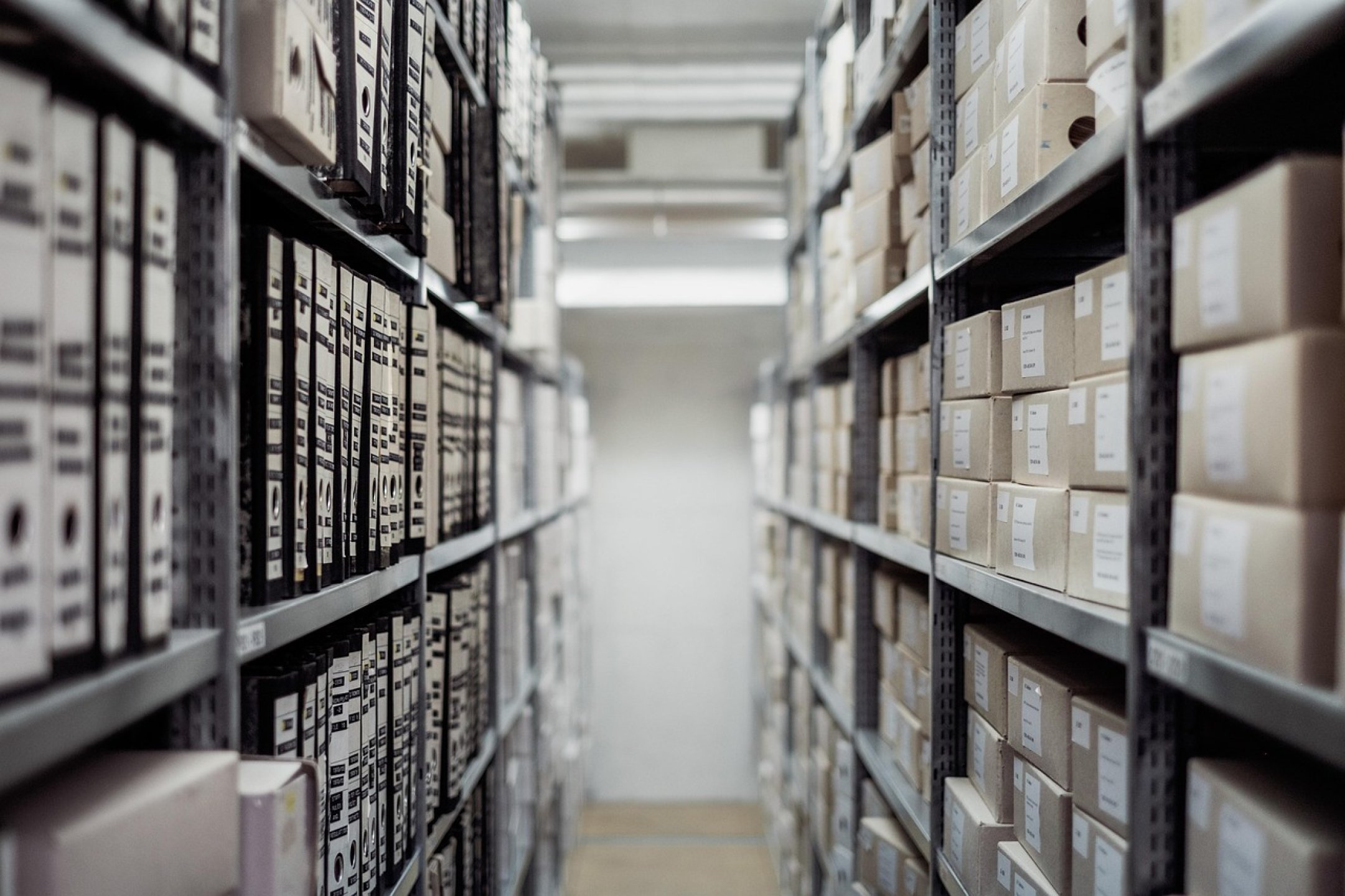
Photo by Pexels
The GoBD are the German principles for the proper management and retention of books, records and documents in electronic form and for data access. They concern self-employed people and small businesses whenever tax-relevant documents are created, received, processed or stored digitally.
Working in line with the GoBD does not mean simply saving files somewhere. Tax-relevant business transactions must remain traceable, from the receipt through the invoice and payment to handover to a tax adviser or the tax authorities. Software can assist, but it does not automatically make a business GoBD-compliant. Configuration, use, responsibilities, permissions, correction processes, backups and clear procedural documentation also matter.

What are the GoBD?
The GoBD are administrative principles issued by the German tax authorities for digital bookkeeping, digital records, electronic supporting documents and data access during audits. They explain how tax-relevant electronic documents should be managed and retained. For small businesses, everyday practice matters more than theory: invoices must be findable, documents must not be changed unnoticed, payments must be assignable and procedures must be documented clearly.
- GoBD stands for the German principles for the proper management and retention of books, records and documents in electronic form and for data access
- The GoBD concern digital bookkeeping, digital supporting documents, electronic invoices and archiving; what matters is not only the software but also how data and documents are actually handled
- Documents must remain traceable and auditable for a knowledgeable third party

Who must follow the GoBD?
The GoBD do not concern only large businesses with their own accounting departments. Self-employed people, freelancers, trades businesses, cleaning companies, service providers and small teams are also affected when they manage or retain tax-relevant documents digitally. These include invoices, tax-relevant quotes, incoming documents, receipts, bank statements, contracts, business emails and electronic invoices.
- Self-employed people issuing invoices digitally
- Small businesses filing documents digitally
- Freelancers receiving electronic invoices
- Businesses using cloud software, accounting software or an archive system
- Businesses using e-invoices such as XRechnung or ZUGFeRD
- Anyone required to provide tax-relevant data during an audit
The most important GoBD principles
The GoBD are based on several principles intended to support proper digital bookkeeping. Business transactions must be recorded completely, correctly, promptly, systematically and in a way that preserves their original state. A knowledgeable third party must also be able to understand the procedures within a reasonable time. This is precisely why a loose collection of PDFs, photos and emails is insufficient.
- Traceability: business transactions must be understandable from start to finish
- Auditability: documents must be available for examination when required
- Completeness: no tax-relevant transaction may be omitted
- Accuracy: amounts, dates, tax rates and assignments must be factually correct
- Timely recording: documents and entries must not be delayed arbitrarily
- Order: documents must be filed systematically and remain findable
- Preservation of original state: changes must remain visible and traceable
Preservation of original state: why simply saving files is not enough
A central GoBD requirement is that the original state remains ascertainable. Tax-relevant data must not be changed or deleted so that its original content can no longer be determined. Corrections are possible, but must be traceable. In practice, this means no concealed overwriting of old invoices, no undocumented editing of supporting documents and no filing system in which important files can be replaced unnoticed.
- Do not silently overwrite invoices afterwards
- Record corrections through cancellation, credit note or documented amendment
- Log changes and preserve a traceable history
- Assign access rights carefully
- Do not keep supporting documents only in ordinary folders without additional safeguards
- Consider backups and recovery regularly
What belongs in procedural documentation?
Procedural documentation describes how digital bookkeeping and archiving actually work in the business. It is not a marketing brochure, but a traceable description of the systems, procedures, responsibilities and controls used. It should enable a knowledgeable third party to understand how documents are created, captured, checked, stored, retrieved, changed and exported.
- Which software and systems are used
- How invoices are created and stored
- How incoming documents are captured and checked
- How changes, cancellations and corrections are documented
- Who has access to which data
- How backups, recovery and system changes are governed
- How data is provided to tax advisers or the tax authorities
GoBD and e-invoicing: XRechnung, ZUGFeRD and structured data
With mandatory B2B e-invoicing, GoBD-compliant retention of structured invoice data has become even more important. A simple PDF is not an e-invoice in the legal sense if it does not enable structured electronic processing. For XRechnung or ZUGFeRD, the structured data component must therefore be preserved. The human-readable PDF component of a hybrid e-invoice must also be retained if it contains additional tax-relevant information.
- XRechnung consists of structured XML data
- ZUGFeRD combines a PDF representation with embedded structured data
- Structured invoice data must not be replaced by an ordinary PDF
- Incoming electronic documents should generally be retained in the format received
- OCR data and enrichments may also become subject to retention if they are checked and used
- If in doubt, agree the specific treatment with a tax adviser
Retention periods: 6, 8 or 10 years?
The retention period depends on the type of document. Under section 147 of the German Fiscal Code (AO), books, records, inventories, annual financial statements, management reports, opening balance sheets and certain organisational documents must generally be retained for ten years. Accounting vouchers must generally be retained for eight years. Other documents subject to retention must generally be kept for six years. The period usually begins at the end of the calendar year in which the document was created or the last relevant entry was made.
- 10 years: books, records, inventories, annual financial statements and comparable documents
- 8 years: accounting vouchers
- 6 years: other documents subject to retention; the period generally starts at the end of the relevant calendar year
- Electronic documents must remain available, readable and machine-evaluable throughout the period
- Specific tax issues or ongoing proceedings may remain relevant for longer in individual cases
How Motorica supports work aligned with the GoBD
Motorica does not replace tax advice and does not guarantee GoBD compliance in an individual case. The software can, however, help organise everyday procedures more cleanly: invoices, supporting documents, files, payments and tasks come together in one place. MIRA can analyse documents, explain content clearly and highlight outstanding points. This creates a better basis for tax advice, accounting and subsequent audits.
- Create invoices and quotes in a structured way
- File supporting documents and other files centrally
- Track payments and outstanding receivables more clearly
- Create and check XRechnung invoices in suitable invoicing processes
- Use MIRA to evaluate documents more clearly
- Prepare exports and handover to a tax adviser
- Make outstanding tasks and deadlines visible
FAQ
Frequently asked questions about the GoBD
What does GoBD mean?
GoBD is the German abbreviation for the principles for the proper management and retention of books, records and documents in electronic form and for data access. They are requirements of the German tax authorities for digital bookkeeping, digital supporting documents, electronic archiving and data access during audits.
Do the GoBD also apply to self-employed people?
Yes, as soon as tax-relevant documents are managed or retained digitally. This also affects sole traders, freelancers and small businesses when they process or store invoices, supporting documents, bank statements, e-invoices or other tax-relevant files electronically.
Is simply saving invoices as PDFs enough?
Not always. For ordinary PDF invoices, orderly retention without unnoticed changes may be sufficient if all requirements are met. With e-invoices such as XRechnung or ZUGFeRD, structured data is decisive. A simple PDF does not replace that structured data.
Can software guarantee GoBD compliance?
No. Software can support procedures aligned with the GoBD, but cannot guarantee general compliance for every business. Configuration, use, access controls, procedures, documentation, backups and the particular application also matter.
What is procedural documentation?
Procedural documentation describes how digital bookkeeping and archiving are organised in a business. It explains the systems, procedures, responsibilities, access rights, changes, backups and data access used. It must match actual practice.
How does Motorica help with work aligned with the GoBD?
Motorica helps organise invoices, supporting documents, files, payments and tasks more systematically. MIRA can analyse documents and make content easier to understand. Where necessary, tax assessment and review of the specific GoBD requirements should be handled with a tax adviser.
Bring order to your digital supporting documents
Working in line with the GoBD starts in everyday business: create invoices properly, file documents centrally, track payments and document outstanding points. Motorica helps you build a more structured digital office.
No payment details · No automatic renewal