
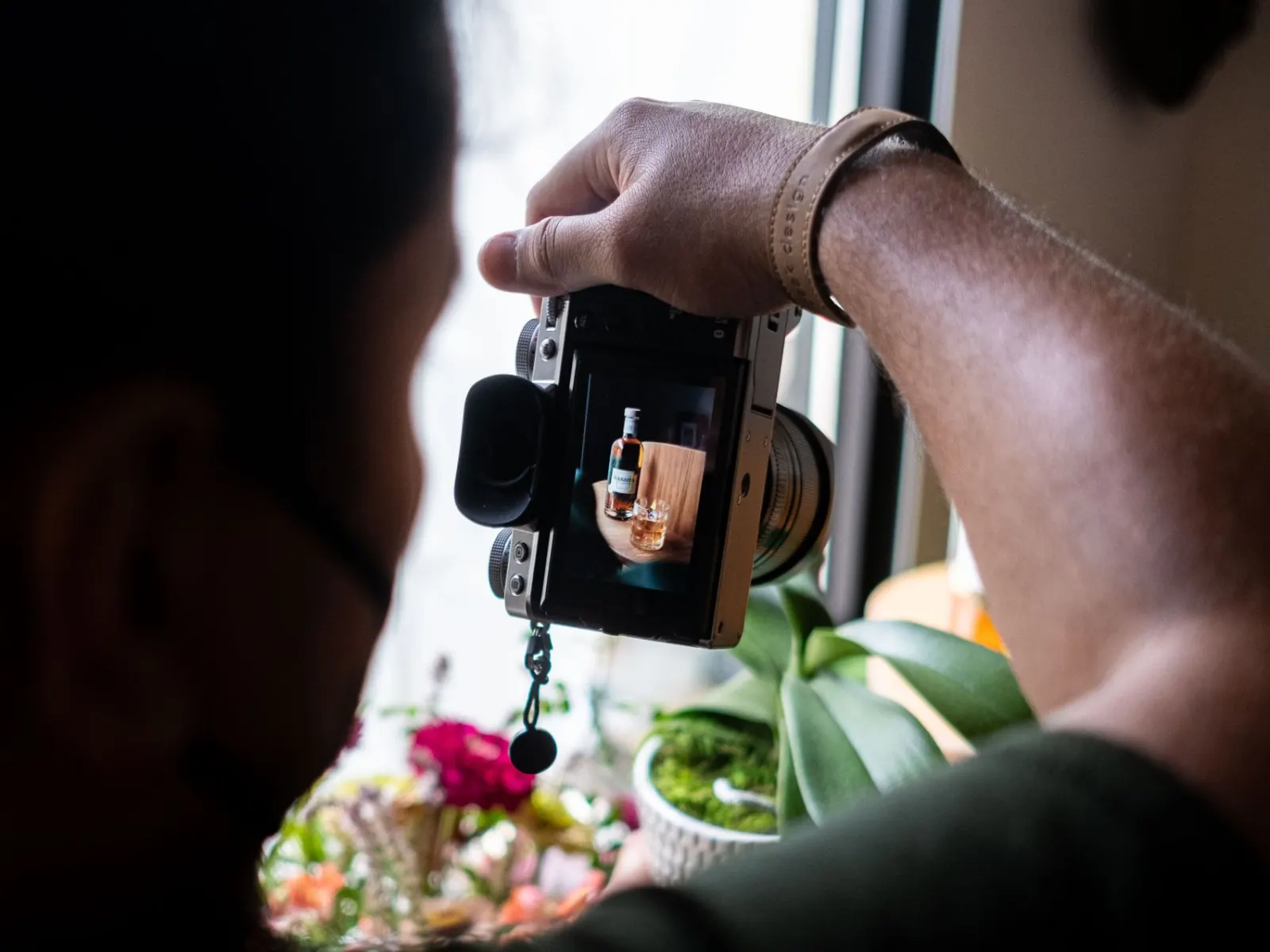
You photograph products for a small manufacturer. The order is for twelve edited images for its own online shop. After delivery, a retailer asks to use the images in a paid ad. “Photos included” leaves the answer unclear. A short list of permitted uses shows what the customer buys and what can be added later.
1. Ask who will use the photos and where
Will the manufacturer use the photos, will an agency process them on the manufacturer's behalf, or will a retailer run its own campaign? Ask whether they are for a shop, unpaid posts, paid ads, print or a marketplace. Record the number of photos, the period and, where relevant, the territory. An agency handling files for the customer is a different case from a retailer using them in its own advertising.
2. Give the licence its own line in the quote
Separate production and delivery from the uses you grant. German copyright law allows non-exclusive or exclusive rights and limits on purpose, time and territory under § 31 UrhG. A non-exclusive right allows other authorised uses. With an exclusive licence, state its scope and any right you retain to use the images. If the wording is unclear, the purpose both parties understood may determine the scope. Ordinary photographs also receive protection under § 72 UrhG.
For this job, one possible wording is: “Twelve edited product photos in JPEG format. Non-exclusive use on the customer's own online shop for twelve months from delivery. Paid advertising and independent use by retailers are outside this licence.” Adapt the wording to the actual agreement. Discuss cropping, other edits and credit where relevant.
3. Check other rights and price the use
If the images show recognisable people, third-party works or other protected material, check the necessary permissions for the intended use separately. A photo licence does not itself resolve the rights of people depicted. Image rights and data protection can matter. Resolve uncertain cases before publication.
Price the agreed use, taking account of duration, channels and exclusivity. § 32 UrhG addresses appropriate remuneration for granted uses. State whether the licence is included in the total or priced separately. Refer to the accepted quote in your invoice so the scope and price can be traced.
4. Answer later requests in writing
In the example, the retailer's own advertising is outside the agreed use. Ask which channel, period, territory and images are involved. Decide whether to grant rights directly or allow the customer to pass them on. Transferring a right and granting additional rights can require consent under §§ 34 and 35 UrhG. Confirm the expanded scope, price and original order reference before the photos appear in the new campaign.
Before handing over the files
- Identify the images, formats and deliverables.
- Agree who may use them, the channels, the period and any territory.
- Clarify exclusivity, edits and credit.
- Check third-party rights for the intended use.
- Document extensions and link the invoice to the order.
See the guide to preparing a quote and the guide to invoice requirements. The licence examples use German law.
Official sources
- Grant of rights of use · § 31 UrhG
- Protection of photographs · § 72 UrhG
- Attribution · § 13 UrhG
- Appropriate remuneration · § 32 UrhG
- Transfer of rights of use · § 34 UrhG
- Grant of additional rights · § 35 UrhG
- Protection of portraits · §§ 22, 23 KunstUrhG
- General Data Protection Regulation · EU 2016/679
Photo: Sydney Sang / Pexels · Pexels license